Natural Food Components
Educational profiles of natural dietary components discussed in nutritional literature. All descriptions are informational in nature. No products are offered for sale and no outcomes are implied.
Informational context: The following descriptions present general compositional characteristics of natural food components as documented in publicly available nutritional literature. No therapeutic claims are made. These are not commercial product listings. No pricing, ordering, or purchasing information is provided. Educational content only. No promises of outcomes.
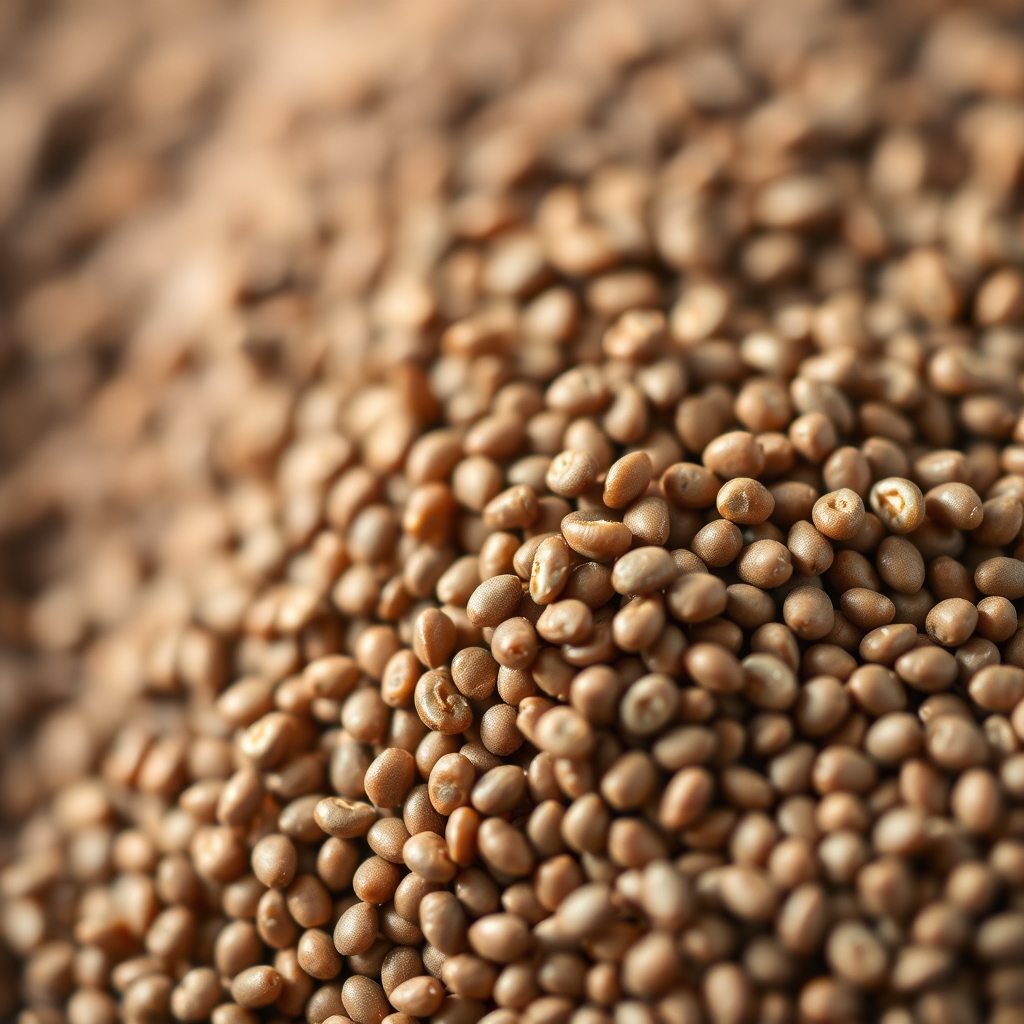
Chia Seeds
Chia seeds are small seeds derived from the Salvia hispanica plant, a member of the mint family originating in Central America. They are characterised in nutritional literature by their high content of omega-3 fatty acids (in the form of alpha-linolenic acid), soluble dietary fiber, and plant-based minerals. When soaked in liquid, they form a gel-like consistency due to their soluble fiber content.
- Dense source of soluble and insoluble dietary fiber, supporting digestive regularity
- One of the most concentrated plant-based sources of alpha-linolenic acid (ALA omega-3)
- Contributes calcium, magnesium, and phosphorus to overall mineral intake
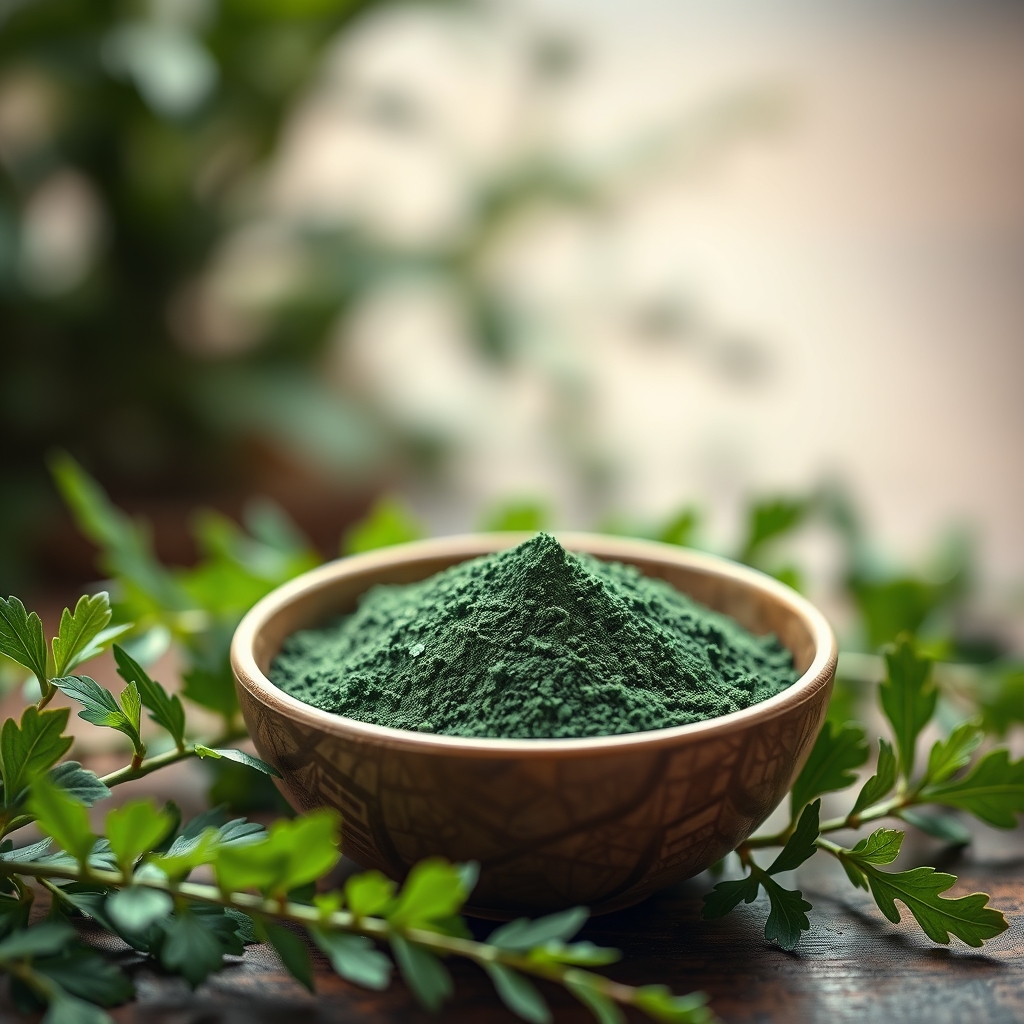
Spirulina
Spirulina is a blue-green microalgae of the genus Arthrospira, cultivated in freshwater environments. It is documented in nutritional science literature as one of the most protein-dense plant-based food sources, containing all essential amino acids. It also contains the naturally occurring pigment phycocyanin, which contributes its characteristic deep blue-green colour.
- Exceptionally high protein content relative to its mass among plant-based sources
- Natural source of B-vitamins, particularly B1, B2, and B3
- Contains phycocyanin, a unique blue pigment with antioxidant properties studied in general research
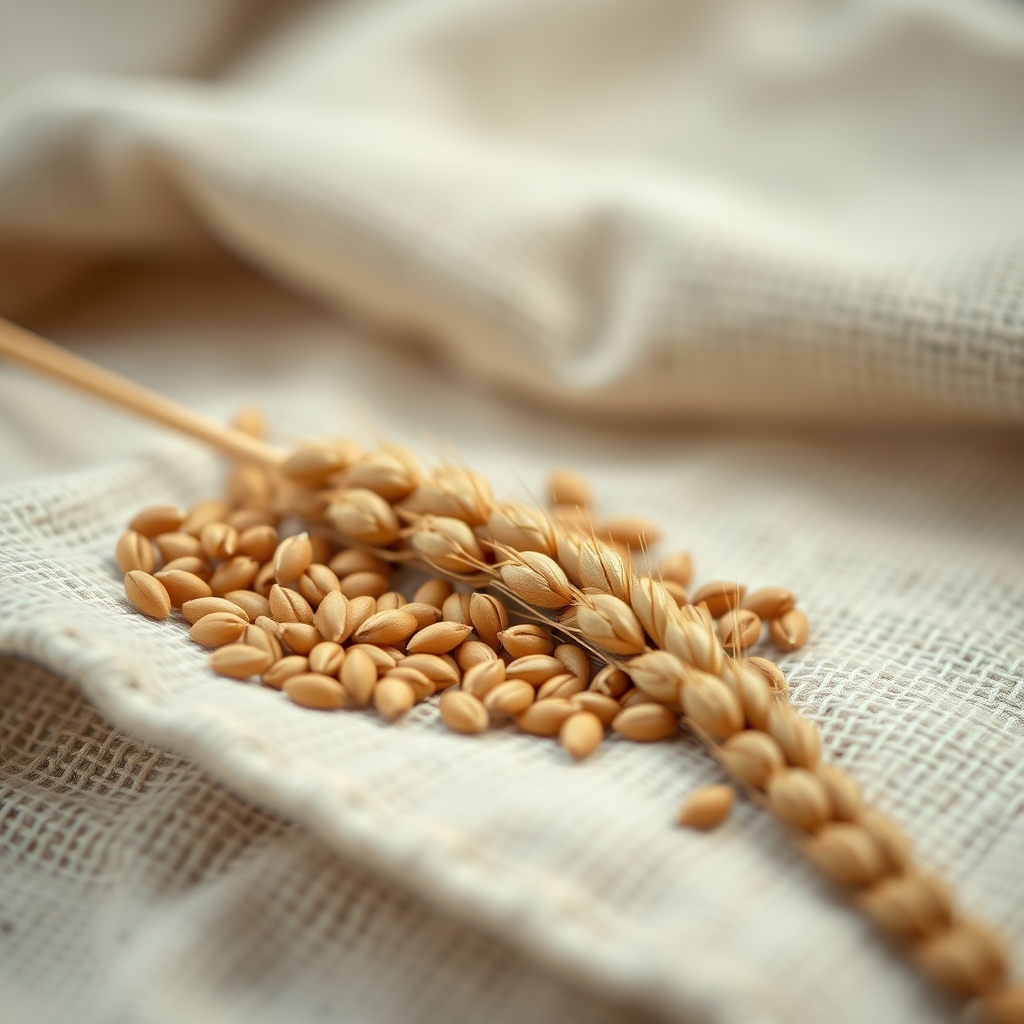
Flaxseeds
Flaxseeds, derived from Linum usitatissimum, are among the oldest cultivated plants. They are documented in nutritional literature for their content of lignans (polyphenolic compounds), both soluble and insoluble dietary fiber, and omega-3 fatty acids. Ground flaxseed is generally noted as having greater nutrient bioavailability than whole seeds due to improved cell wall breakdown.
- One of the richest plant-based sources of lignans, a class of polyphenols
- Provides both soluble and insoluble fiber forms for comprehensive digestive support
- Ground form improves the bioavailability of the seed's nutritional content
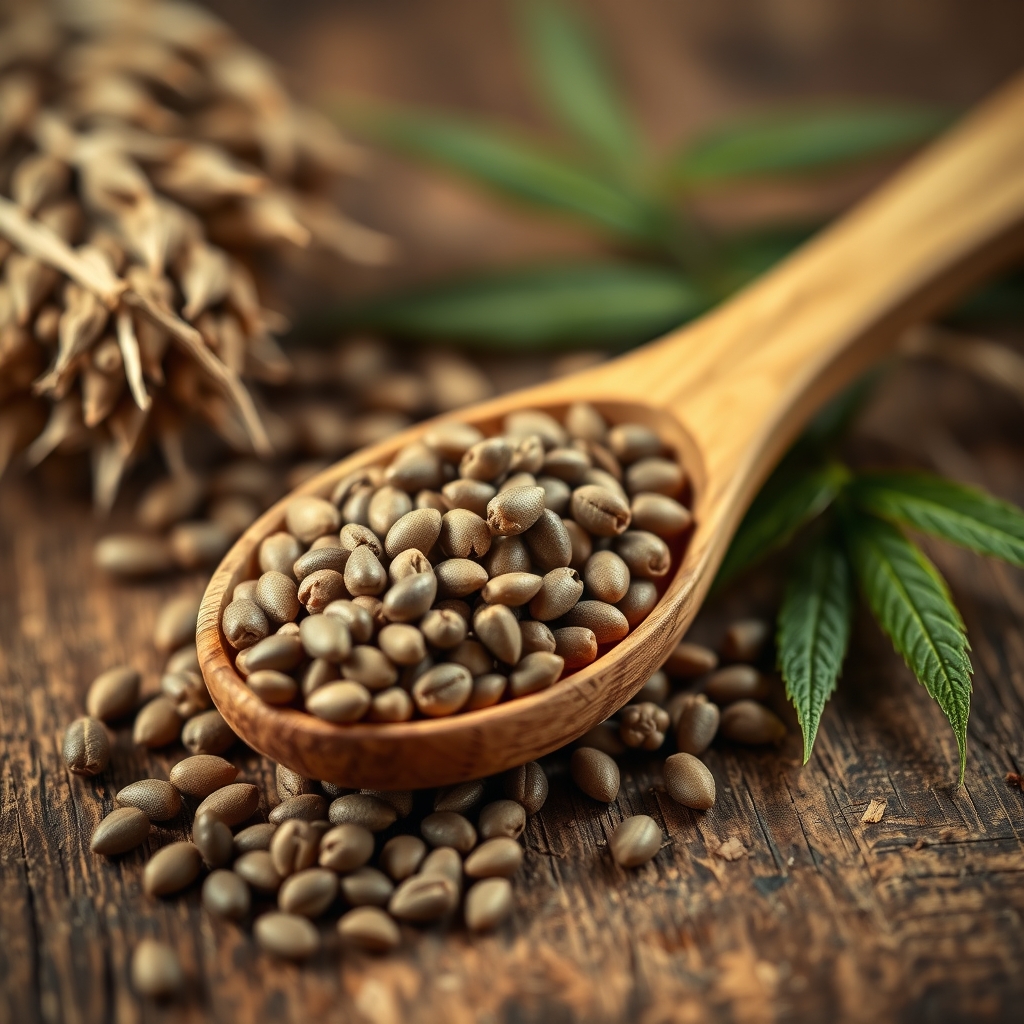
Hemp Seeds
Hemp seeds are the edible seeds of the Cannabis sativa plant, widely distinguished in dietary contexts from other plant parts for their complete amino acid profile and balanced omega-3 to omega-6 fatty acid ratio. They are consumed in their hulled (shelled) form and are referenced in nutritional literature for both their protein and essential fatty acid content.
- Complete protein source, containing all nine essential amino acids
- Naturally balanced ratio of omega-3 to omega-6 fatty acids (approximately 1:3)
- Source of vitamin E, phosphorus, and magnesium in a dietary context
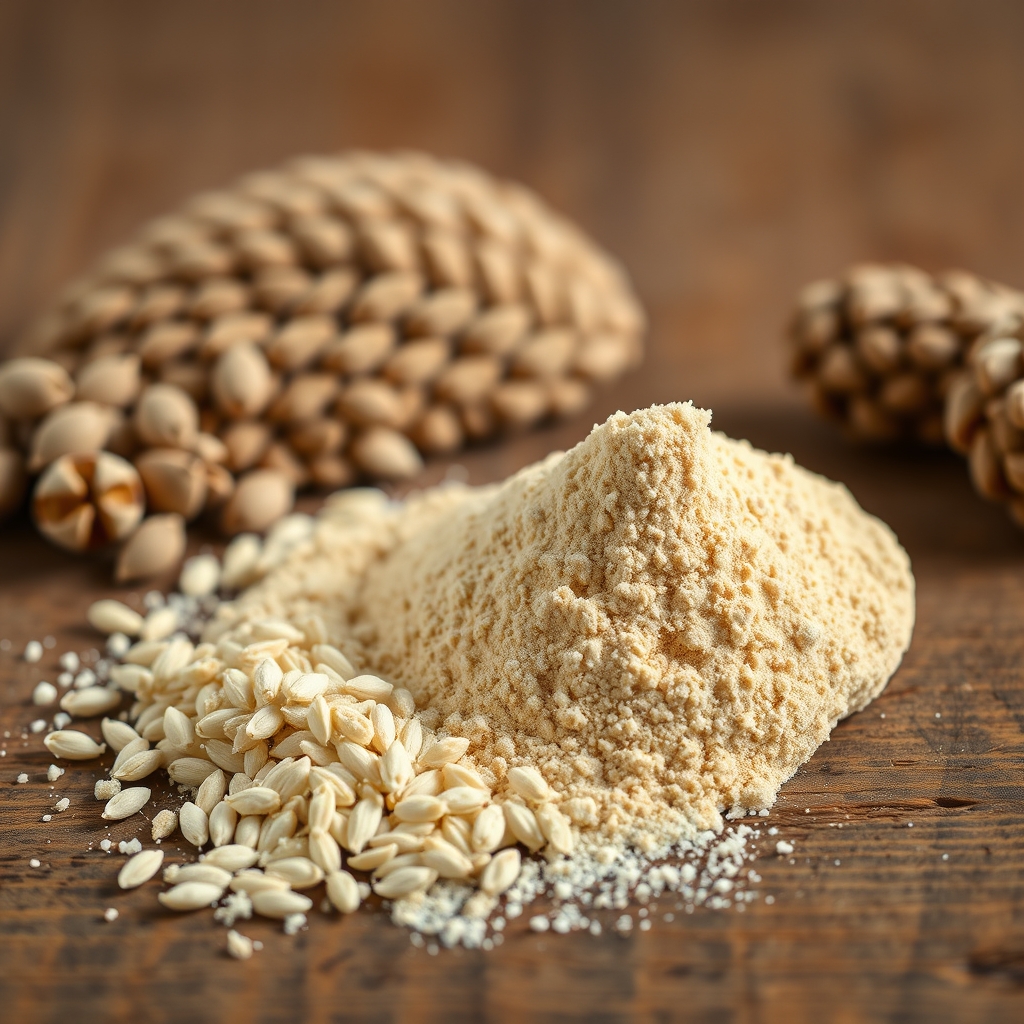
Psyllium Husk
Psyllium husk is derived from the outer coating of Plantago ovata seeds and is among the most studied sources of soluble dietary fiber in general nutritional literature. When combined with liquid, it forms a viscous gel, a property that is widely discussed in the context of digestive function and satiety. It is commonly incorporated into fiber supplement formulations and functional foods.
- One of the most concentrated natural sources of soluble dietary fiber available
- Forms a viscous gel in water, supporting intestinal motility and regularity
- Contributes significantly to daily dietary fiber intake targets
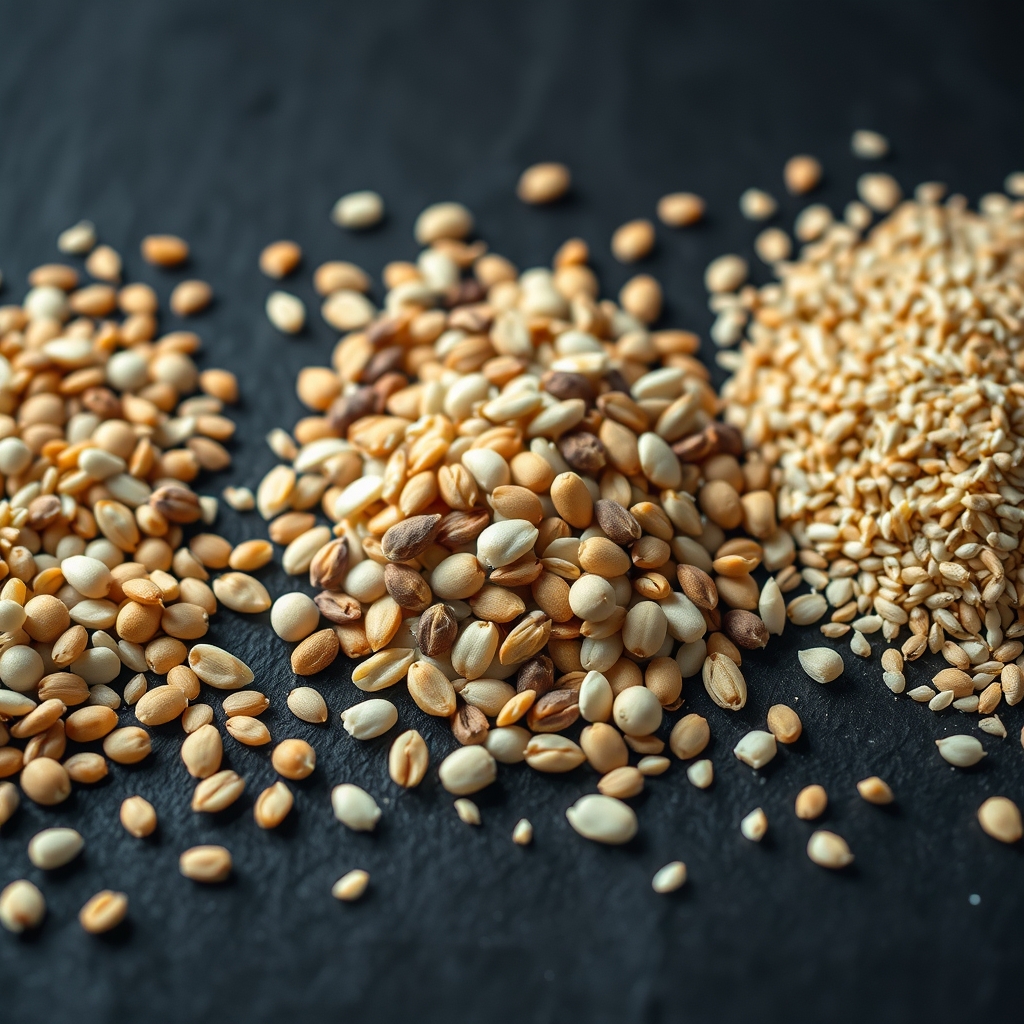
Dietary Fiber Blends
Dietary fiber blends refer to formulations combining multiple sources of fiber — such as oat bran, apple pectin, inulin, and seed-derived fibers — to provide a spectrum of both soluble and insoluble fiber types. General nutritional literature describes the complementary nature of different fiber sources in supporting comprehensive digestive function and contributing to a varied dietary pattern.
- Combines multiple fiber types (soluble and insoluble) for broad digestive support
- Supports diverse intestinal microbiota through varied prebiotic substrates
- Versatile addition to smoothies, porridges, and other food preparations
Nutritional Profile Comparison
The table below provides a general compositional summary of the components described on this page, based on publicly available nutritional reference data.
Values represent approximate per-100g figures from general nutritional databases and are presented for comparative context only.
| Component | Primary Nutrient | Fiber Content | Protein Content | Notable Compound |
|---|---|---|---|---|
| Chia Seeds | ALA Omega-3 | ~34 g / 100 g | ~17 g / 100 g | Soluble gel-forming fiber |
| Spirulina | Complete Protein | ~3 g / 100 g | ~57 g / 100 g | Phycocyanin pigment |
| Flaxseeds | Lignans / ALA | ~27 g / 100 g | ~18 g / 100 g | Lignan polyphenols |
| Hemp Seeds | Complete Protein | ~4 g / 100 g | ~32 g / 100 g | Balanced omega-3/6 ratio |
| Psyllium Husk | Soluble Fiber | ~71 g / 100 g | ~2 g / 100 g | Viscous gel formation |
| Fiber Blend | Mixed Fiber | ~25–40 g / 100 g | Varies | Prebiotic substrate diversity |
Scope of information: No therapeutic or health claims are associated with the descriptions above. These components are presented as elements of a varied dietary pattern and not as substitutes for any medical or nutritional intervention. Individual responses to dietary changes vary. Educational content only. No promises of outcomes.